Approved by the Auckland Health Research Ethics Committee on 19 June 2026 for three years. Reference number AH31077

About Newly Positive
Newly Positive Aotearoa New Zealand is a central project within a broader qualitative research programme in the Gay Men’s Sexual Health (GMSH) research group that examines how HIV prevention operates in real-world contexts. The study focuses on the lived experiences of people recently diagnosed with HIV, exploring the social, structural, and health system factors that shape HIV risk, prevention, and access to care.
Through in-depth qualitative interviews, the research investigates how and why prevention efforts break down in practice, including missed opportunities to access prevention, such as pre-exposure prophylaxis (PrEP). While funded outside SPOTS, the study sits alongside and complements SPOTS research, generating findings highly relevant for identifying contemporary programmatic gaps in HIV prevention.
Why are we doing this study?
Led by
Aotearoa New Zealand has committed to eliminating local HIV transmission by 2030. Although significant progress has been made, current trends suggest this target may not be achieved without renewed, better-targeted prevention efforts. Understanding the social and contextual processes that lead to new HIV infections is critical to strengthening prevention strategies and improving pathways into care.
This qualitative study explores the experiences of people newly diagnosed with HIV in Aotearoa New Zealand, with a particular focus on:
experiences of HIV prevention prior to infection
circumstances surrounding infection and diagnosis
early experiences of engagement with care
Study aims:


Supported by


Identify factors associated with recent HIV acquisition
Examine missed opportunities for prevention, including experiences of PrEP
Explore experiences of HIV diagnosis and linkage to care
Examine the social, behavioural, and structural contexts shaping new HIV infections in Aotearoa New Zealand
Together, these objectives support a broader goal of understanding how real‑world prevention pathways operate, and where barriers and pressures increase vulnerability to HIV.

If you’re interested in taking part you can check out the Participant Information Sheet, or sign up via Qualtrics and we’ll be in touch.
For any questions about the study, contact Dr Brooke Hollingshead at brooke.hollingshead@auckland.ac.nz or support@bodypositive.org.nz.
Take part in the study
Who can take part?
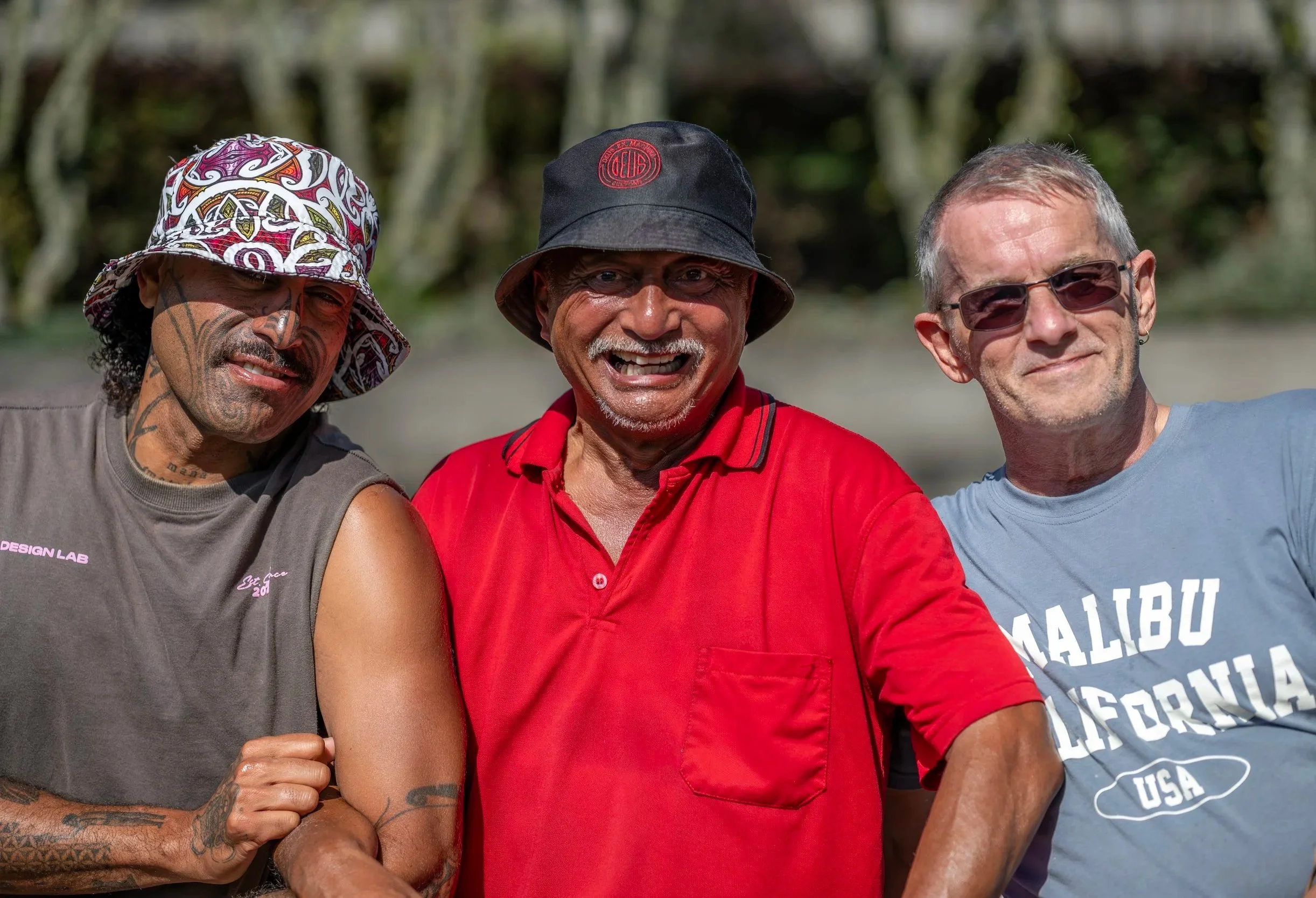
You can participate in Newly Positive if you are over 16, were diagnosed with HIV in the last two years, and identify as:
male
trans
takatāpui
non-binary
and have sex with men
Because a key focus of the study is local HIV transmission, recruitment will prioritise participants whose HIV was acquired within Aotearoa New Zealand.
What participation involves
Participants will take part in a semi-structured interview lasting approximately 1–1.5 hours. Interviews provide participants with space to reflect on their experiences of prevention, diagnosis, and care in their own words.
Participants will receive a $50 voucher in recognition of their time and contribution.